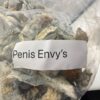
Hillbilly Mushroom
Hillbilly mushroom is a recognizable Psilocybe cubensis variety that has attracted attention among mushroom enthusiasts and mycology communities. It is particularly known for its robust fruiting characteristics, pale stems and brown-to-golden caps, giving it a distinctive appearance among cultivated Psilocybe cubensis varieties.
The Hillbilly name is generally associated with a cultivated lineage originating from wild Psilocybe cubensis genetics. Over time, the variety has become established within mushroom communities and has developed a recognizable identity based on its physical characteristics and reported genetic background.
When researching Hillbilly mushroom products, it is important to distinguish between documented variety information and anecdotal descriptions. Mushroom characteristics can vary considerably depending on genetics, environmental conditions, maturity and cultivation variables.
Hillbilly Mushroom Variety Profile
Hillbilly is generally classified as a cultivated Psilocybe cubensis variety. Researchers have widely studied the species from a mycological perspective, and they primarily distinguish individual cultivated varieties by their reported genetics and observable characteristics.
The exact historical development of Hillbilly can vary between community accounts. Different sources may describe its origins or lineage differently, so detailed product information should avoid presenting unverified historical claims as established scientific facts.
For mycology enthusiasts, the variety remains interesting because of its recognizable morphology and place within the broader collection of cultivated Psilocybe cubensis genetics.
Hillbilly Mushroom Appearance
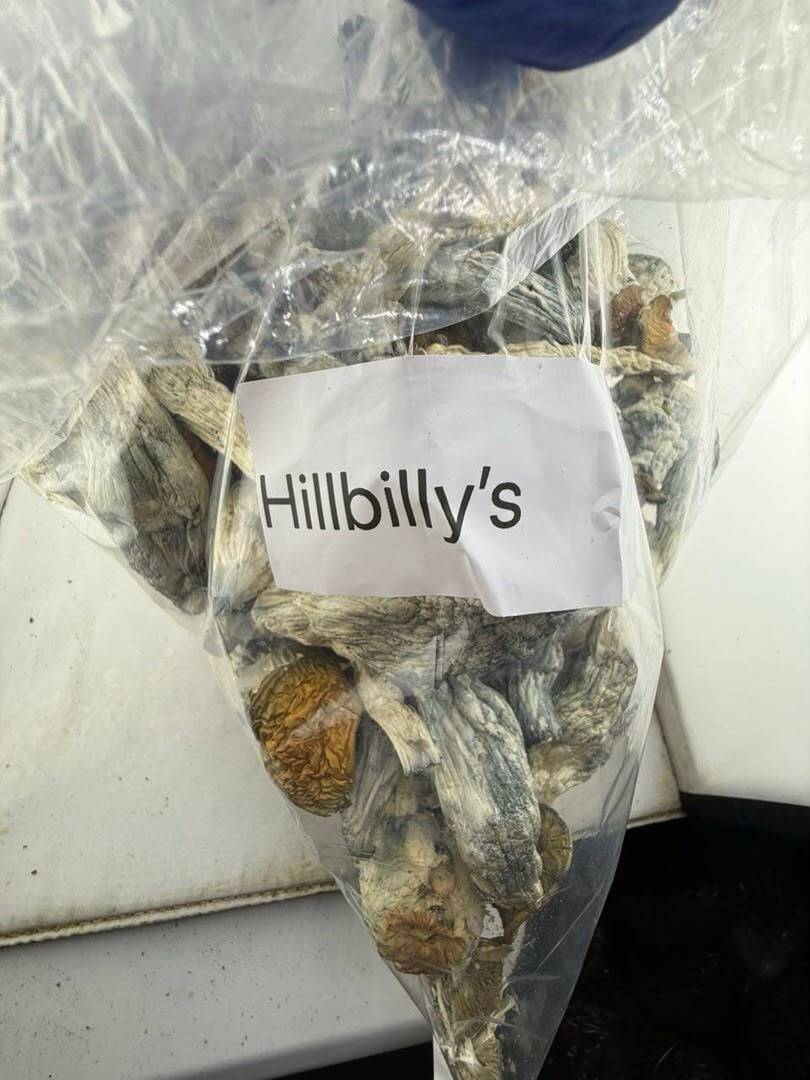
People frequently discuss Hillbilly mushroom’s appearance.
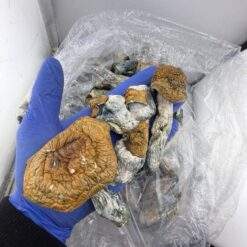
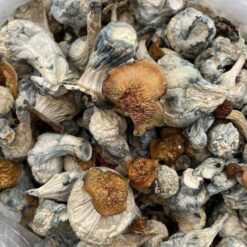
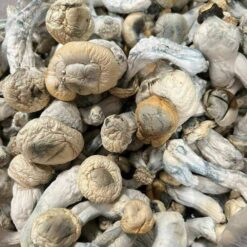
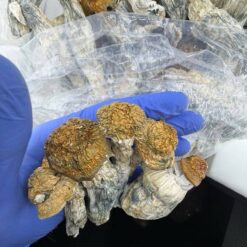
Growers commonly associate the variety with thick, pale or white stems and caps ranging from golden to russet shades. Caps may develop rounded or broad shapes, although individual specimens can look considerably different.
Maturity also affects appearance. Younger and mature specimens may display different cap shapes, coloration and overall proportions. Environmental conditions can further influence the final morphology.
Therefore, use photographs for general reference, but do not rely on them as sufficient for definitive identification.
Hillbilly Mushroom Genetics
Genetics play an important role in every named mushroom variety.
This variety originates from wild Psilocybe cubensis genetics, which cultivators subsequently maintained and developed through cultivation. Discussions about different lines and phenotypes have emerged as the variety remains in mushroom communities.
Mushroom variety names do not standardize scientific classifications, so genetic descriptions may differ across sources. A reliable Hillbilly mushroom product profile should therefore distinguish between stated lineage information, documented characteristics and community-reported history.
Genetic analysis provides a more objective method for studying relationships between different cultivated mushroom varieties.
Hillbilly Mushroom Characteristics
Commonly associated Hillbilly mushroom characteristics include:
- Psilocybe cubensis classification
- Thick or robust stems
- Pale to white stem coloration
- Golden, tan or brown caps
- Rounded or broad cap development
- Distinctive cultivated genetics
- Considerable interest within mycology communities
We should regard these characteristics as general variety descriptions rather than guaranteed specifications for every individual specimen.
Differences in genetics, maturity, environmental conditions and cultivation methods can all influence mushroom morphology.
Hillbilly Mushroom Product Information
Detailed product information is useful when documenting a named mushroom variety.
A Hillbilly mushroom product page can include the species classification, variety name, physical characteristics, genetic background, available documentation and relevant laboratory information.
Clear specifications help separate objective information from generalized descriptions. If laboratory analysis is available for a sample, the analyst should identify results as applying to that sample or batch.
This approach provides more accurate product documentation than assigning universal characteristics to an entire variety.
Hillbilly Mushroom and Related Varieties
People sometimes discuss Hillbilly alongside related varieties and mutations within Psilocybe cubensis communities.
One example is Hillbilly Pumpkin, a related form recognized for its unusual cap development. Researchers should not automatically treat Hillbilly and Hillbilly Pumpkin as identical varieties, even though the names are closely connected.
When creating product listings, categories and specifications, maintaining separate descriptions can help avoid confusion between related but visually distinct genetics.
Potency and Chemical Composition
People occasionally discuss Hillbilly mushroom in terms of potency, but they should treat broad potency claims with caution.
The name of a mushroom variety cannot establish a precise concentration of psilocybin or psilocin. Chemical composition can vary between individual mushrooms and batches due to genetics, environmental conditions, maturity and other factors.
We perform laboratory analysis to determine the actual concentration of specific compounds in a sample.
Consequently, a product description should avoid treating a general variety reputation as a guaranteed chemical specification.
Hillbilly Mushroom Mycology
From a mycological perspective, Hillbilly provides an interesting example of cultivated Psilocybe cubensis genetics.
Researchers and enthusiasts can examine its morphology, genetic background, pigmentation, cap development, stem structure and environmental responses. Comparing these characteristics with other cultivated varieties can provide useful information about phenotypic variation.
The distinction between species and cultivated variety is also important. Psilocybe cubensis identifies the species, while Hillbilly designates a specific cultivated genetic line or variety.
Identification Considerations
People should not treat a variety name alone as definitive mushroom identification.
Different Psilocybe cubensis varieties can share similar physical characteristics, while environmental conditions can significantly change the appearance of an individual specimen.
Accurate identification may require detailed morphological examination, microscopy or genetic analysis depending on the circumstances.
This is particularly important when dealing with unidentified wild mushrooms, as visually similar fungi can have substantially different properties.
Hillbilly Mushroom FAQs
What is Hillbilly mushroom?
Cultivators developed Hillbilly as a Psilocybe cubensis variety, valued for its robust morphology, pale stems, and golden-to-brown caps.
What does Hillbilly mushroom look like?
This mushroom has thick pale stems and rounded or broad caps that range from golden to tan to brown.
Is Hillbilly a Psilocybe cubensis variety?
Yes. Hillbilly is generally described as a cultivated variety associated with Psilocybe cubensis.
What are the main Hillbilly mushroom characteristics?
The variety is commonly recognized for its robust structure, pale stems, golden-brown coloration and distinctive cultivated genetics.
Is Hillbilly the same as Hillbilly Pumpkin?
They are generally treated as related but distinct forms. Hillbilly Pumpkin is associated with distinctive cap morphology and should not automatically be presented as identical to standard Hillbilly.
Can appearance determine potency?
No. Appearance cannot reliably determine the concentration of psilocybin or other active compounds. Laboratory analysis is necessary for accurate chemical measurements.
Does every Hillbilly mushroom look the same?
No. Genetics, maturity, environmental conditions and cultivation variables can cause significant differences between individual specimens.
Is Hillbilly mushroom legal?
The legal status of psilocybin-containing mushrooms varies by jurisdiction. Regulations can apply differently to possession, cultivation, distribution and other activities, so applicable local laws should be reviewed.
Related products
Mushrooms

Mushrooms
Mushrooms
Mushrooms
Mushrooms
Mushrooms
Mushrooms